

First-Timer's Guide to River Cruising: What to Expect Onboard
River cruising is fundamentally different from ocean cruising — smaller ships, slower pace, and a destination-first philosophy that puts you in the heart of European cities, not anchored offshore. Most river cruise itineraries run 7 to 10 nights, carry between 100 and 200 passengers, and include far more in the base fare than a typical ocean cruise. If you're considering your first river cruise, here's exactly what to expect.
River Cruising vs. Ocean Cruising: Key Differences
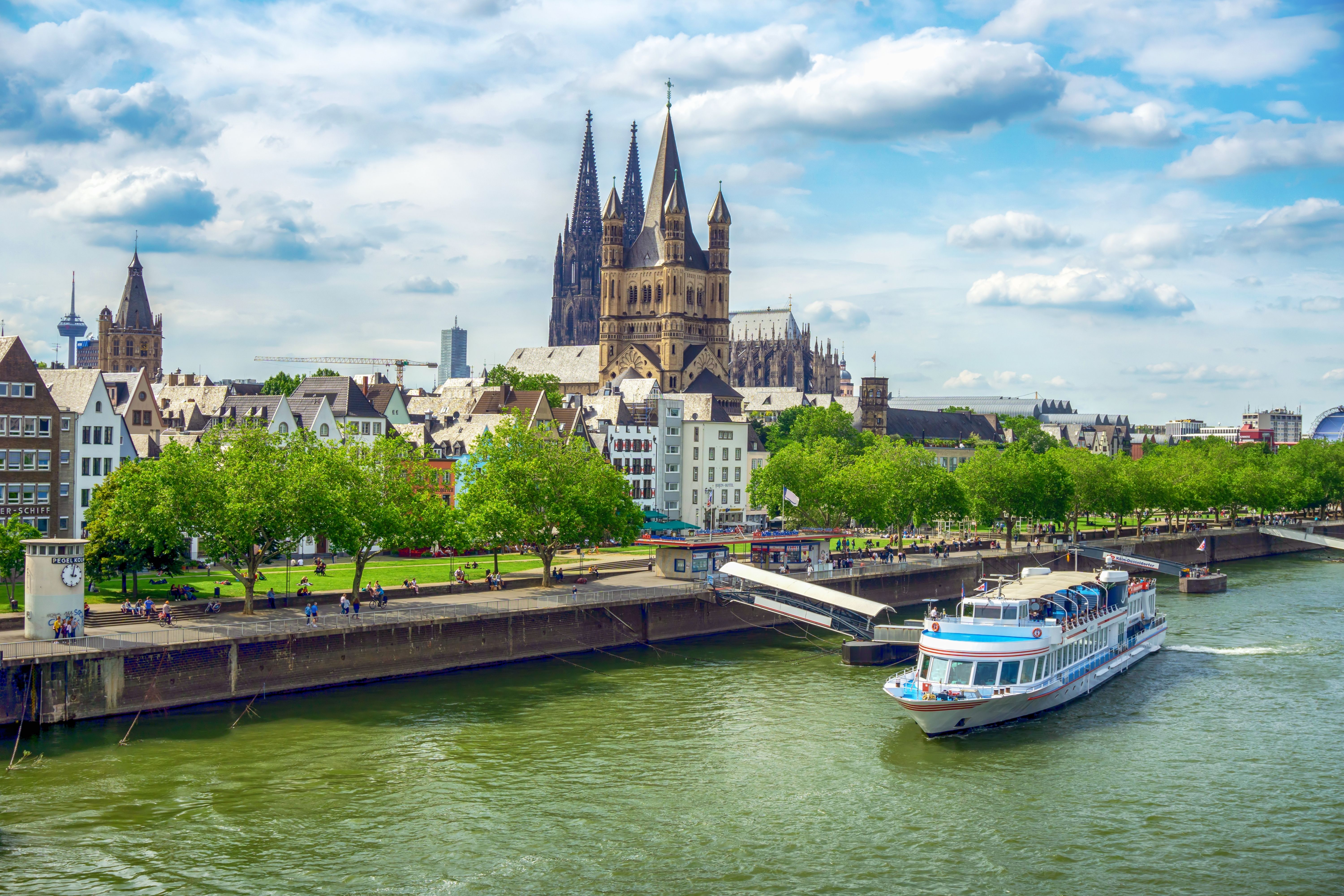
The gap between river and ocean cruising is wider than most first-timers expect. River ships are purpose-built to fit through locks, pass under low bridges, and navigate narrow waterways — which means many European river ships are roughly 443 feet long and 37–38 feet wide. That's a fraction of the size of even a mid-range ocean ship like Carnival Glory or Norwegian Jade.
The practical result: no stabilizers needed, minimal motion, no towering atrium, and no rock-climbing walls. What you gain is proximity — ships dock directly in city centers, often steps from a cathedral, wine village, or castle. On the Rhine, for example, many river cruises dock within walking distance of Cologne Cathedral and the city’s Old Town.
| Feature | River Cruise | Ocean Cruise |
|---|---|---|
| Passenger capacity | 100–200 | 2,000–7,000+ |
| Ship length | Roughly 443 ft | Up to 1,200 ft |
| Motion level | Minimal | Moderate to noticeable |
| Port access | City centers | Ports/tenders |
| Onboard entertainment | Lectures, light live music | Shows, waterparks, casinos |
| Inclusions | Often includes excursions, drinks, and Wi-Fi | More à la carte |
| Dress code | Smart casual | Varies widely |
| Solo supplement | Varies widely by line and promotion | Varies widely by line and cabin type |
Pro Tip: If you're prone to motion sickness on ocean ships, river cruising is a genuine solution — not just a workaround. The motion is subtle enough that many first-timers barely notice when the ship departs.
What a Typical Day on a River Cruise Looks Like
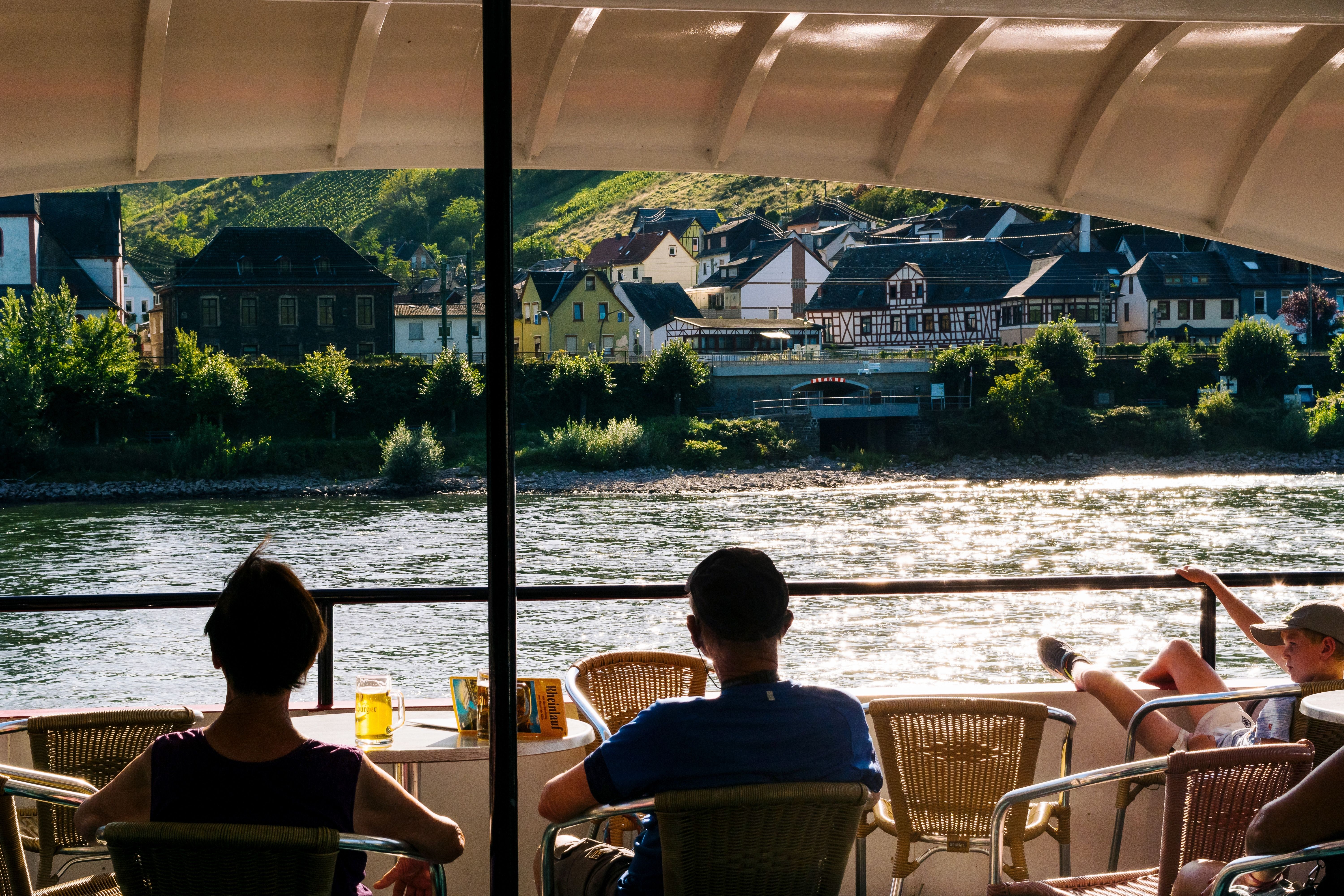
Most river cruise days follow a comfortable rhythm: sail overnight, arrive in a new port by morning, spend the day ashore, and re-board for dinner as the ship moves to the next destination.
A typical day might look like this:
- 7:00–8:30 AM — Breakfast in the main dining room as the ship docks
- 9:00 AM — Included guided excursion departs (often a walking tour of the old town)
- 12:00 PM — Return to ship for lunch, or explore independently
- 2:00–5:00 PM — Optional afternoon excursion (wine tasting, cycling tour, castle visit)
- 6:30 PM — Program Director briefs the group on tomorrow's destination
- 7:00 PM — Dinner onboard with regional menu
- 9:00 PM — Light evening entertainment (local folk musicians, trivia, or a cocktail demo)
- Overnight — Ship sails to the next port while you sleep
The lead guest-facing host plays a much more visible role on river cruises than on ocean ships. Depending on the line, this role may be called a Program Director, Cruise Manager, or Cruise Director. On Viking or AmaWaterways sailings, they’ll brief guests each evening, preview the next day’s itinerary and dining highlights, and often join excursions themselves.
Pro Tip: Take a photo of the printed daily itinerary each night — you'll have it on your phone during excursions without carrying paper, and it doubles as a built-in photo journal of where each shot was taken.
Ship Size and Cabin Expectations
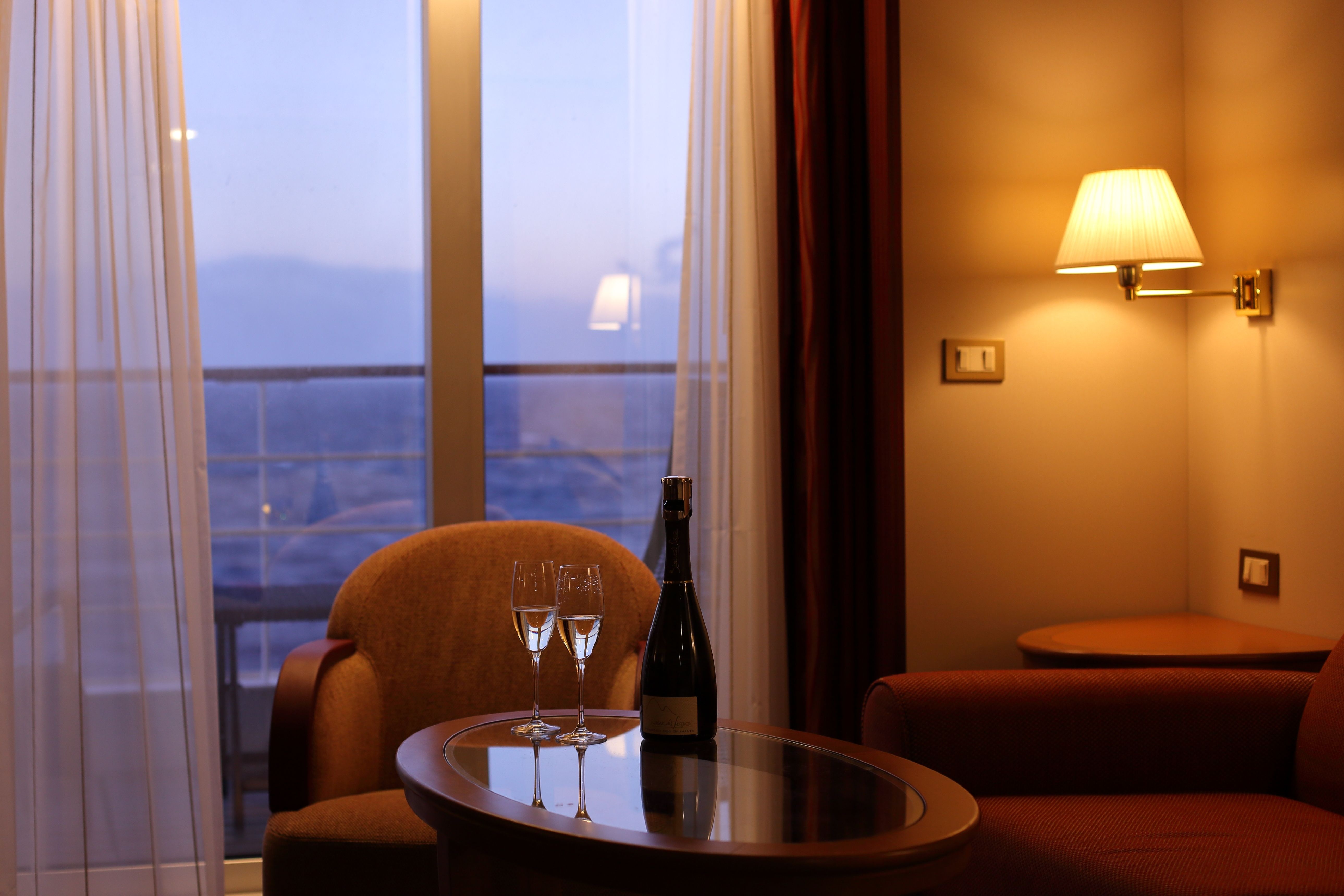
River cruise cabins are smaller than ocean ship cabins in absolute terms, but the design is typically more considered. Modern longships from Viking, AmaWaterways, and Avalon Waterways are built to maximize natural light — floor-to-ceiling windows, French balconies (a full-length sliding glass door with a low railing), and in Avalon's case, beds oriented to face the river directly.
Standard cabin categories on most European river ships:
- Standard/Classic cabin: Often around 150 sq ft, typically with a fixed window or porthole on the lower deck
- French balcony cabin: Often around 135–170 sq ft, with a full sliding glass door but no walkout balcony
- Veranda/Balcony cabin: Often around 200–235 sq ft, usually with a step-out balcony or veranda on an upper deck
- Suite: Typically ranges from about 275–445 sq ft, often with a separate sitting area and added perks such as priority excursion boarding
Because ships carry so few passengers, even standard cabins can feel surprisingly comfortable. Most European river ships also avoid interior cabins — the main trade-off is usually square footage, deck location, and window style rather than dramatically different cabin quality.
Pro Tip: On Rhine and Danube itineraries, the upper deck (often called the "Violin Deck" on Viking or "Stateroom Deck 2" on AmaWaterways) offers the best views but also the most noise from the sun deck above. If you're a light sleeper, mid-ship on the second deck is the sweet spot.
What's Included vs. What Costs Extra
River cruises bundle far more into the base fare than ocean cruises. Understanding what's covered upfront prevents budget surprises onboard.
| Item | Typically Included | Typically Extra |
|---|---|---|
| All meals | ✅ | — |
| One guided excursion per port | ✅ | — |
| Wi-Fi | ✅ (most lines) | — |
| House wines/beer/soft drinks with dinner | ✅ (most lines) | — |
| Port taxes and fees | ✅ | — |
| Premium spirits and cocktails | ❌ | ✅ |
| Specialty excursions (e.g., private concerts) | ❌ | ✅ |
| Gratuities | ❌ (usually) | ✅ |
| Travel insurance | ❌ | ✅ |
| Pre/post cruise hotel nights | ❌ | ✅ |
On gratuities: Policies vary by line, and some premium river cruise lines include gratuities in the fare — worth factoring in when comparing headline prices.
Viking includes beer, wine, and soft drinks with onboard lunch and dinner. AmaWaterways includes wine, beer, and soft drinks with lunch and dinner, plus a daily Sip & Sail cocktail hour. Avalon includes wine, beer, and soft drinks at lunch and dinner, plus a complimentary nightly Happy Hour except on the first night.
Pro Tip: When comparing river cruise fares across lines, add up the cost of excursions, drinks, and gratuities separately. A line that looks $500 cheaper may end up costing more once you account for what's not bundled.
Dining and Drinks Onboard
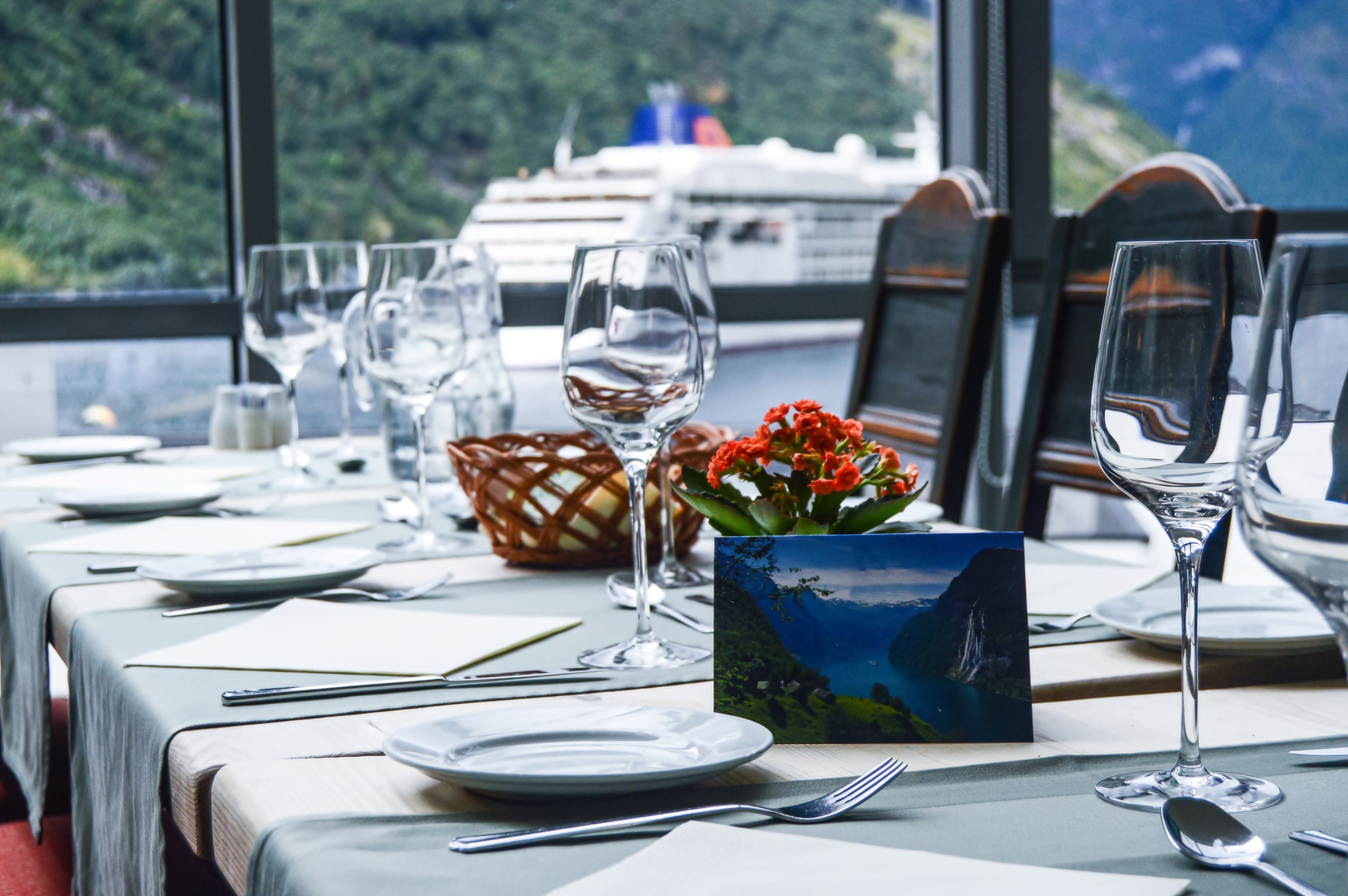
River cruise dining consistently surprises first-timers. A chef cooking for 150 passengers can often deliver a more personal and regionally focused dining experience than what's typical on a 5,000-passenger ocean ship.
Expect destination-driven menus that rotate daily: Alsatian tarte flambée on the Rhine, Wiener Schnitzel in Vienna, paprika-spiced goulash on the Danube. Menus often highlight regional dishes and wines tied to the itinerary, and some lines emphasize regional ingredients and destination-inspired dining. Dietary requirements (vegan, gluten-free, nut allergies) are handled with genuine care — the dining team is small enough to know your preferences by day two.
Most river ships do not have the array of extra-fee specialty restaurants found on large ocean ships. Some lines instead offer included alternative dining experiences; for example, AmaWaterways says every guest can enjoy a complimentary multi-course dinner at The Chef’s Table.
One practical note on seating: unlike ocean ships with assigned dining times, river cruise dining is typically open seating within a 90-minute window. Regulars quickly claim their preferred tables and servers, and by day three, your team will know your coffee order without being asked.
Pro Tip: Sit at the same table or section each meal. River cruise dining staff are exceptional at personalizing service, but only if they recognize you — which happens fast on a 150-passenger ship.
Shore Excursions and Port Time
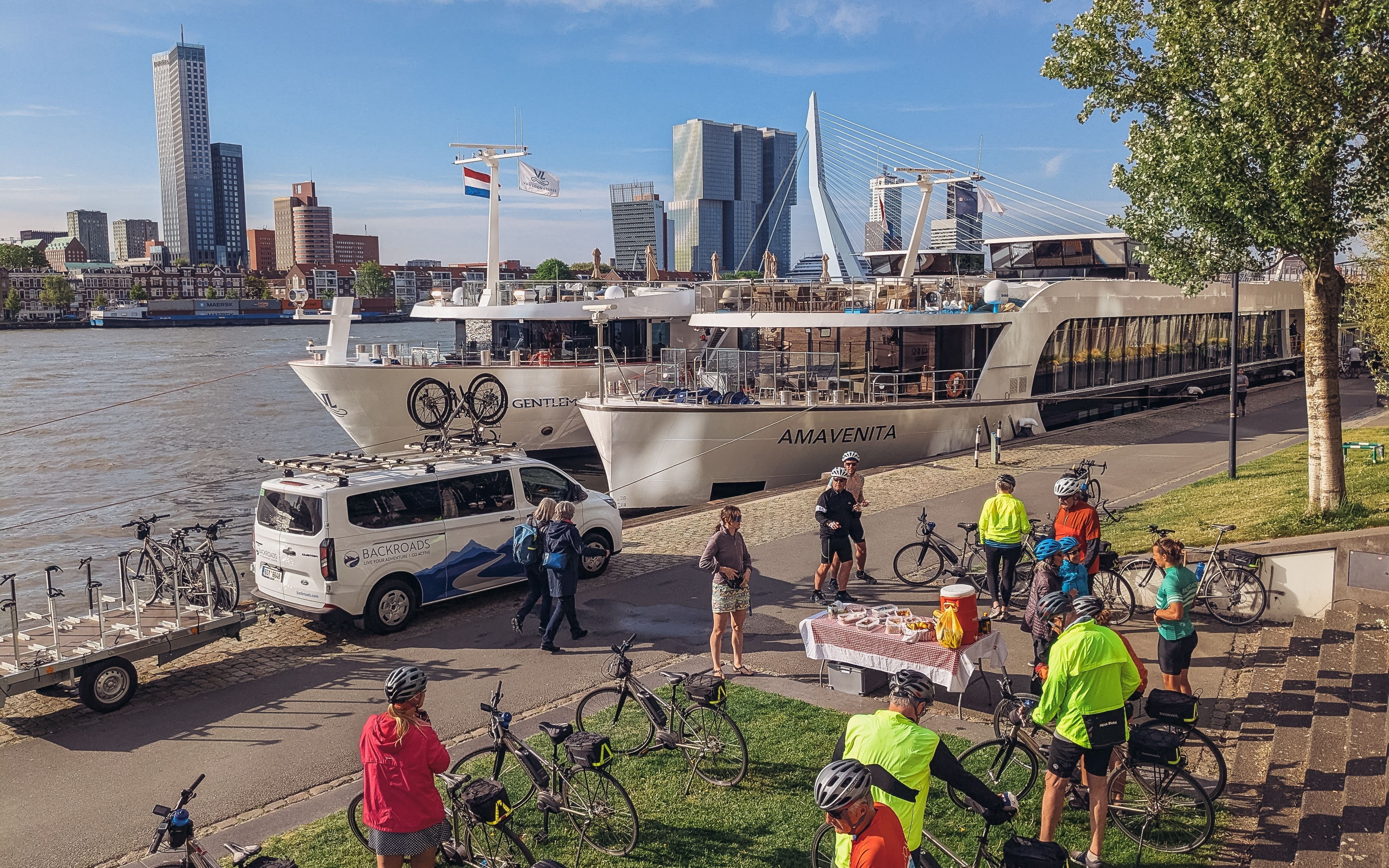
Shore excursions are the core product of a river cruise — not an add-on. Most itineraries include one guided group tour per port as standard, typically a 2–3 hour walking tour of the old town with a local guide. These are genuinely informative and paced for comfortable walking, not rushed.
Beyond the included tour, most lines offer tiered alternatives:
- Active options: Guided cycling tours (often 10–15 miles), hiking, kayaking
- Discovery options: Cooking classes, wine cellar visits, artisan workshops
- Premium options: Private concerts in historic venues, helicopter overviews, exclusive castle access
Avalon Waterways strongly markets its “Active & Discovery” program, with excursions such as hiking, biking, kayaking, cooking classes, painting workshops, and regional tastings. AmaWaterways also emphasizes active touring, offering guided bike excursions on many itineraries.
One major advantage over ocean cruising: river ships dock in city centers, meaning you can walk off the ship independently at almost any port without tendering or shuttle buses. If the included tour doesn't appeal, you can simply explore on your own — and reboard whenever you like, since the ship stays docked for hours.
Pro Tip: On longer port days (4+ hours), skip the afternoon optional tour and explore independently. Markets, local cafés, and neighborhoods just outside the tour route often deliver the most memorable moments — and they're free.
Packing Tips for River Cruises

River cruise packing is more like packing for a boutique hotel trip than a cruise. There's no formal night, no need for multiple swimsuit changes, and storage space in cabins is limited. The goal is a versatile, compact wardrobe that handles cobblestone streets, light hikes, and a smart dinner.
Essentials:
- Broken-in walking shoes — non-negotiable. Medieval cobblestones and uneven castle steps will destroy new shoes and your feet. Bring shoes you've worn for at least 20 miles.
- Layers — European river conditions shift dramatically between morning docking and afternoon sun. A packable down jacket or fleece plus a waterproof shell covers most scenarios.
- Smart casual clothes for evenings — collared shirts, blouses, chinos. No jeans-and-sneakers for dinner, but no tuxedos either.
- Compact day bag — a small backpack or crossbody for excursions (water bottle, sunscreen, camera, daily itinerary photo).
- Power adapter — European Type C/F sockets. Most ships have USB charging, but a universal adapter is essential for shore use.
Leave behind: formal wear, beach gear (most river itineraries have no beach days), multiple pairs of dress shoes, and anything you can't carry comfortably for 3+ miles.
Pro Tip: River cruise ships typically don't have self-service laundry, but most offer a paid laundry service. For 7-night sailings, 4–5 days of clothing plus a laundry drop on day 3 is a practical strategy that lets you pack a single carry-on.
Best River Cruise Lines for First-Timers
Several major cruise lines dominate the European river cruise market, each offering a slightly different experience for first-time travelers.
| Line | Best For | Included Drinks | Active Options | Pricing |
|---|---|---|---|---|
| Viking River Cruises | Classic European history & culture | Beer, wine, and soft drinks with lunch and dinner | Moderate | Varies by itinerary and season |
| AmaWaterways | Food, wine, and active touring | Wine, beer, and soft drinks with lunch and dinner, plus Sip & Sail cocktail hour | Strong guided biking and active excursions | Varies by itinerary and season |
| Avalon Waterways | Flexible touring and active travelers | Wine, beer, and soft drinks with lunch and dinner, plus nightly Happy Hour | Strong “Active & Discovery” program | Varies by itinerary and season |
Note: River cruise pricing changes frequently based on itinerary, cabin category, season, and promotions. Check current fares directly with the cruise line before booking.
For many first-timers, Viking and Avalon are strong starting points thanks to their broad European itineraries and approachable onboard experience. Rhine and Danube sailings on both lines are especially popular for first river cruises, combining major cities, historic landmarks, and easy logistics.
For a deeper comparison of the top three lines, see our guide to Best River Cruises for First-Timers: AmaWaterways vs. Avalon vs. Viking. If you're weighing river against ocean entirely, Viking Ocean vs. River Cruises: Which Is Right for You? breaks down the trade-offs in detail.
Booking Tips and Best Value

Book early for the best cabin selection. Unlike ocean ships where inventory is vast, most European river ships have well under 100 cabins. Upper-deck veranda cabins on popular Rhine and Danube sailings sell out 12–18 months in advance, particularly for peak summer (June–August) and Christmas Market season (late November–December).
Consider shoulder season. April–May and September–October often bring lower fares, smaller crowds, and arguably better scenery — spring tulip fields on the Rhine, autumn vineyards on the Moselle. Christmas Market sailings (mid-November to mid-December) are a perennial first-timer favorite but often command premium pricing.
Watch for "two-for-one" and free airfare promotions. Viking, AmaWaterways, and Avalon all run significant promotions in January–February (Wave Season) and again in September. These can reduce per-person fares substantially on back-to-back departures or less-popular itineraries.
Pre- and post-cruise hotel nights are worth it. Most river cruises embark and disembark in major cities (Amsterdam, Budapest, Prague). Adding 2–3 nights at either end is far cheaper than a separate trip and dramatically extends the value of your transatlantic flights.
Pro Tip: Wave Season, generally January through March, is one of the strongest periods to compare cruise promotions, but the best time to book still depends on itinerary, cabin inventory, airfare, and cancellation terms.
If you're new to cruise booking generally, our guide on how to book a cruise covers the mechanics of deposits, payment schedules, and what to watch for in the fine print.
Key Takeaways
- River cruises carry 100–200 passengers on ships purpose-built to navigate locks and low bridges — expect intimate service, not onboard mega-amenities.
- The base fare includes far more than ocean cruising: most meals, house beverages, one excursion per port, Wi-Fi, and port fees are typically bundled.
- Pack walking shoes you've already broken in. Cobblestone streets and castle steps are guaranteed; blisters are optional.
- A 7-night Rhine or Danube itinerary is one of the most popular starting points for first-timers — well-structured, historically rich, and operationally reliable.
- Book upper-deck cabins early (12+ months out for peak season) and look for Wave Season promotions in January–March for the best combination of price and cabin choice.
Frequently Asked Questions
Q: How is a river cruise different from an ocean cruise?
River cruise ships carry 100–200 passengers versus thousands on ocean ships, dock directly in city centers rather than peripheral ports, and include significantly more in the base fare (excursions, beverages, Wi-Fi). The experience is quieter, more intimate, and entirely destination-focused rather than entertainment-focused.
Q: Will I get seasick on a river cruise?
River cruising is essentially motion-free. Rivers are sheltered waterways with no swells or waves, and the ship's movement is subtle enough that many passengers barely notice when the ship departs. It's a legitimate option for travelers who have struggled with motion sickness on ocean ships.
Q: What is typically included in a river cruise fare?
Most river cruise fares include all meals, Wi-Fi, one guided shore excursion per port, and beer, wine, or soft drinks with select onboard meals, though inclusions vary by cruise line. Gratuities, premium spirits, specialty excursions, and travel insurance are typically extra, though some premium river cruise lines include gratuities in the fare.
Q: How long should my first river cruise be?
Seven nights is the standard recommendation for first-timers — long enough to settle into the rhythm, visit 5–7 ports, and feel the full arc of the experience without overstaying. Ten-night itineraries are available for those who want more depth; 5-night "sampler" sailings exist if you want to test the format before committing.
Q: What river and itinerary should I book first?
The Rhine (Amsterdam to Basel) and Danube (Budapest to Nuremberg, or the reverse) are the two most recommended first-river-cruise itineraries. Both offer a high density of iconic ports, reliable infrastructure, and strong competition among cruise lines that keeps quality high. The Danube has a slight edge for architectural drama; the Rhine for scenery and wine villages.
Q: When is the best time to book a river cruise?
Wave Season (January–March) offers the deepest promotions and widest cabin selection for the following year's departures. For travel in peak summer or Christmas Market season, booking 12–18 months in advance is advisable to secure upper-deck cabins.
Fast Facts
- Best For: Travelers who prioritize destinations over onboard entertainment; ocean cruisers ready for a more intimate experience; couples and solo travelers
- Price Range: Varies widely by itinerary, cabin category, season, and inclusions
- Best Time to Book: January–March (Wave Season) for best promotions; 12–18 months ahead for peak summer and Christmas Market sailings
- Recommended First Itinerary: Rhine (Amsterdam–Basel) or Danube (Budapest–Nuremberg), 7 nights
- Top Lines for First-Timers: Viking River Cruises (broadest mainstream appeal), AmaWaterways (best for foodies and cyclists), Avalon Waterways (best for active travelers)
- What to Pack: Broken-in walking shoes, packable layers, smart casual eveningwear, compact day bag, European power adapter
- Gratuity Guideline: Policies vary by cruise line; some premium brands include gratuities in the fare


