

Aruba vs. Bonaire vs. Curaçao: Best ABC Island Cruise Stop
Aruba, Curaçao, and Bonaire each deliver a fundamentally different port experience: Aruba is the most developed and beach-forward, Curaçao offers the richest cultural immersion, and Bonaire is the undisputed choice for divers and nature seekers. All three lie south of the main Caribbean hurricane belt, making them reliable year-round cruise destinations — but choosing which to prioritize on a Southern Caribbean itinerary depends entirely on what you want from a port day.
For a deeper look at which cruise lines and itineraries cover all three islands, see our ABC Islands cruise guide.
Why the ABC Islands Differ More Than You Think
The "ABC Islands" label groups three Dutch Caribbean territories that share a geographic neighborhood but almost nothing else in terms of port experience. Aruba and Curaçao are autonomous countries within the Kingdom of the Netherlands, while Bonaire is a special municipality of the Netherlands. All three lie close to the Venezuelan coast in the southern Caribbean, well south of the main Atlantic hurricane belt.
What separates them isn't just geography — it's pace, infrastructure, and purpose. Aruba has invested heavily in tourism infrastructure, with a hotel strip, casino row, and a cruise port that processes thousands of passengers daily. Curaçao's capital, Willemstad, is a UNESCO World Heritage Site, its candy-colored Dutch colonial buildings reflected in the Sint Annabaai channel. Bonaire, meanwhile, has deliberately maintained a lower-key approach to tourism; its entire coastline is protected within the Bonaire National Marine Park, where activities are regulated and applicable users pay a Nature Fee that supports the protection of the island’s coastal waters and reefs.
The practical result: the island that excites a beach-resort crowd will bore a serious diver, and the island that thrills a history buff may frustrate someone who just wants a lounger and a rum punch.
Aruba Cruise Port: Overview, Pros & Cons
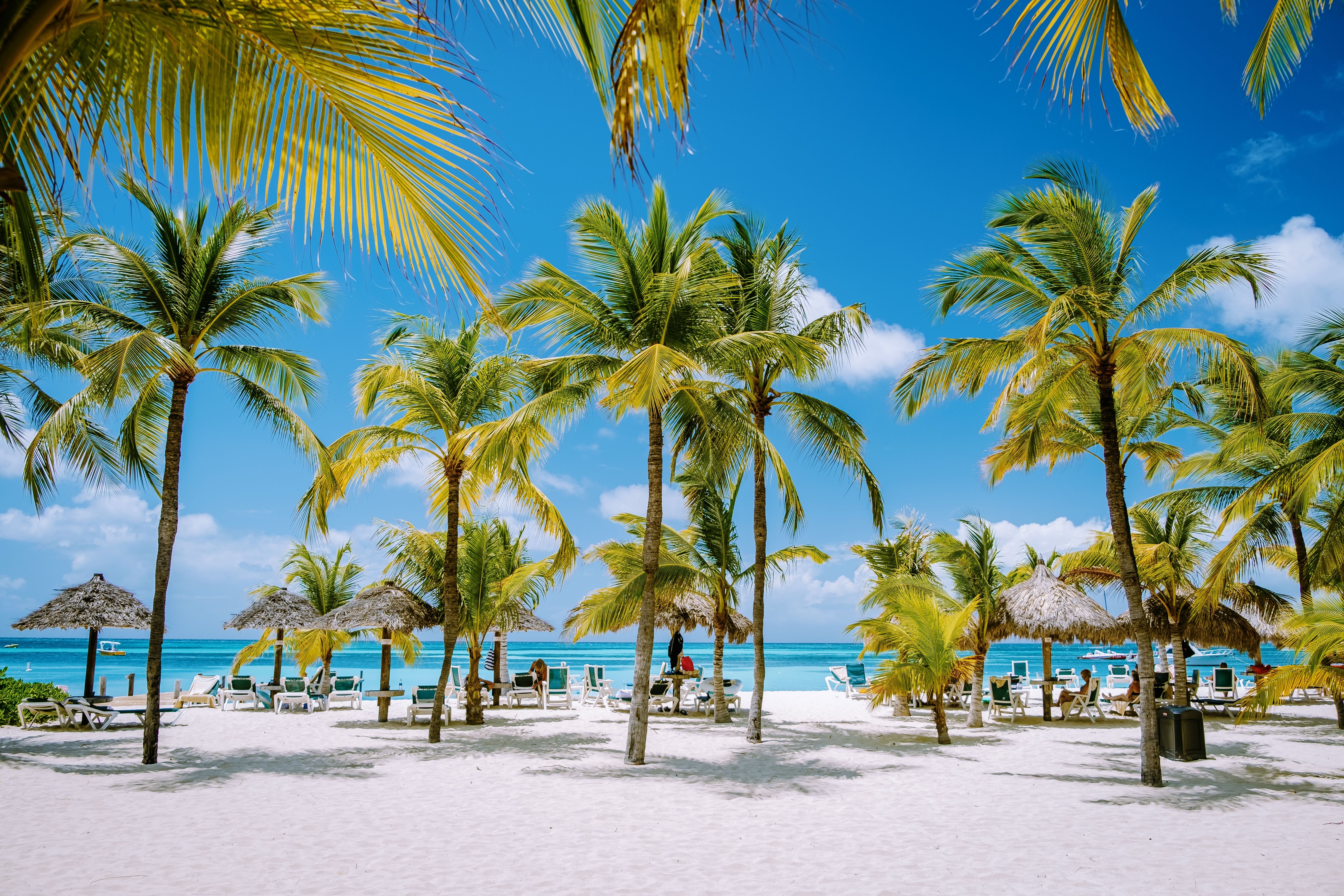
Aruba docks ships at the Port of Oranjestad, a purpose-built cruise facility with two main piers — the Renaissance Pier and the Aruba Port Authority terminal — capable of handling multiple large ships simultaneously. Royal Caribbean, Carnival, Norwegian, and Celebrity all make regular calls here, and the port is within easy walking distance of downtown Oranjestad's shops, restaurants, and the colorful pastel storefronts of Main Street.
Best for: Families, beach lovers, first-time Caribbean cruisers, nightlife seekers
Top draws:
- Eagle Beach and Palm Beach — Eagle Beach and Palm Beach — Eagle Beach is one of Aruba’s best-known white-sand beaches, with calm, swimmable water and a more relaxed atmosphere. Palm Beach is more resort-lined and lively.
- Arikok National Park — Covers roughly 20% of the island; features natural pools, caves with indigenous paintings, and dramatic divi-divi trees.
- Oranjestad's casino strip — Several hotel casinos open during the day for cruise passengers.
- Water sports — Kitesurfing at Aruba's Fisherman's Huts is world-class; snorkel trips to the Antilla shipwreck are popular excursions.
Cons:
- Most developed of the three islands, with potentially higher costs for food, taxis, and excursions.
- Beach areas near Palm Beach can feel crowded when multiple ships are in port simultaneously.
- Less cultural depth than Curaçao; the downtown shopping experience can feel generic.
Pro Tip: Eagle Beach is roughly a 10–15 minute taxi ride from the cruise pier and is generally quieter than Palm Beach, which sits along Aruba’s high-rise hotel district. Taxi fares are government-regulated, so check the current official rate before your visit.
Curaçao Cruise Port: Overview, Pros & Cons

Curaçao ships dock at the Mega Pier facilities outside Sint Annabaai or at cruise berths along the Otrobanda side of the harbor, depending on the vessel and schedule — putting passengers within easy reach of one of the most photogenic port settings in the Caribbean. The floating Queen Emma Pontoon Bridge (a pedestrian bridge that swings open for ship traffic) connects the Punda and Otrobanda districts, both walkable from the cruise berths.
Best for: Culture seekers, history buffs, photographers, foodies, couples
Top draws:
- Willemstad's UNESCO Historic District — The Dutch colonial architecture along the Handelskade waterfront is iconic; the brightly colored facades date to an 1817 rule ending the previous white lime finish, reportedly because of concerns about sun glare.
- Shete Boka National Park — Dramatic north-coast cliffs and sea caves; accessible by rental car or excursion.
- Beaches — Playa Kenepa (Knip Beach) and Cas Abao are among the island's finest, though both require a 30–45 minute drive from port.
- Local cuisine — Stobá (a slow-cooked stew), fresh fish at the floating market, and Curaçao Blue liqueur tastings at the Chobolobo distillery.
- Diving and snorkeling — The island has excellent reef diving, though Bonaire's marine park is still the regional gold standard.
Cons:
- Best beaches require significant travel time from port; a rental car or organized excursion is necessary.
- Willemstad can feel tourist-saturated near the Handelskade on heavy ship days.
- Larger island means you need more time or a vehicle to see beyond the capital.
Pro Tip: Book the Chobolobo Distillery tour early — it's a short taxi ride from port, runs about 45 minutes, and includes tastings of the authentic Blue Curaçao liqueur. It pairs well with a walk back through the Punda district before your all-aboard time.
For beach options near the pier, our guide to the best Curaçao beaches near the cruise port breaks down which are reachable without a rental car.
Bonaire Cruise Port: Overview, Pros & Cons

Bonaire is the least developed of the three islands in terms of large-scale tourism infrastructure, and its port setup reflects that. Ships typically dock at the North or South Pier in Kralendijk, putting passengers within easy walking distance of the small downtown area and providing convenient access to the island’s attractions. This is actually a feature, not a bug: Bonaire's entire marine ecosystem is protected under the Bonaire National Marine Park, and the island's low-volume approach to tourism is what keeps its underwater environment world-class.
Best for: Divers, snorkelers, eco-travelers, birders, travelers seeking an unhurried experience
Top draws:
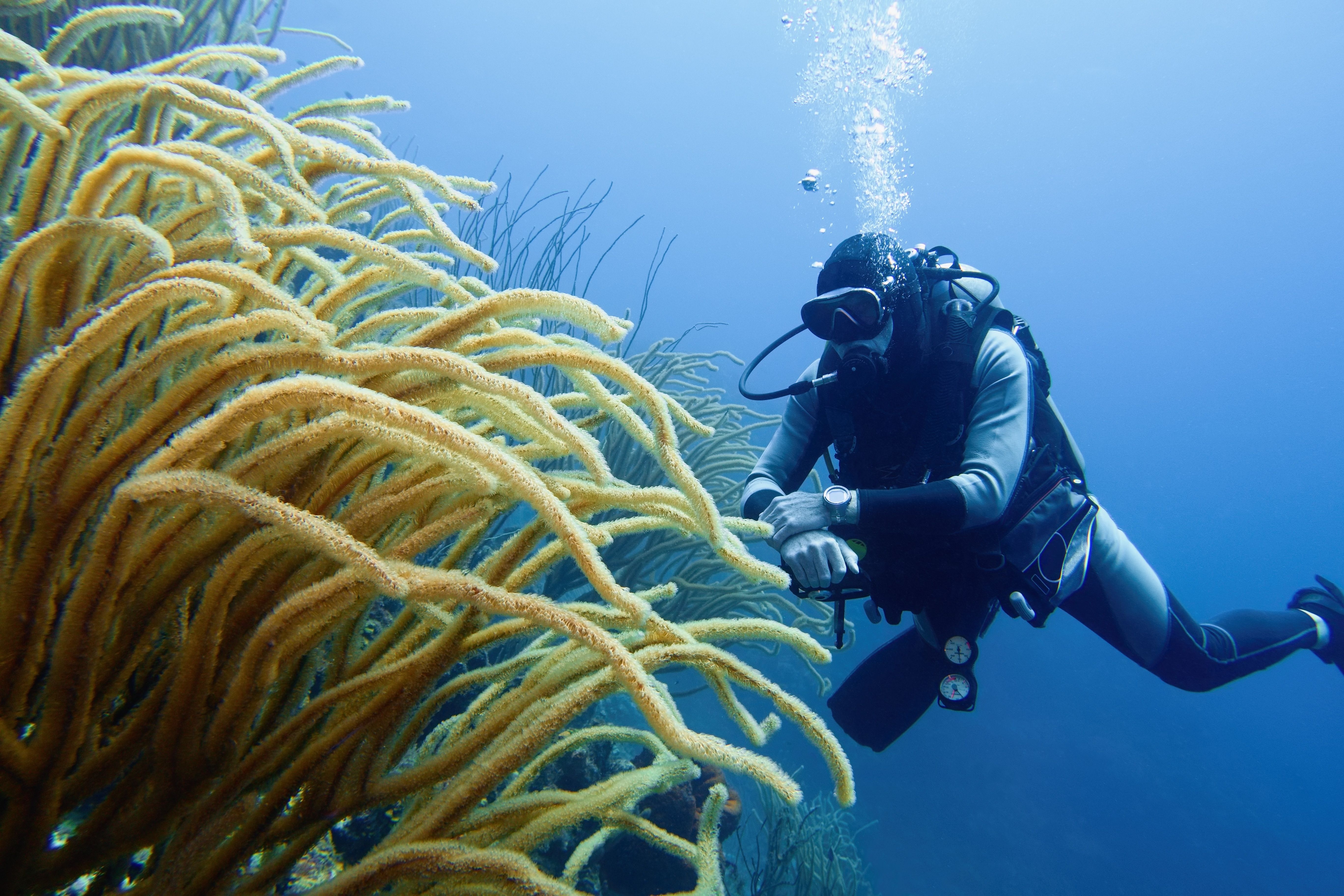
- Shore diving — Bonaire is one of the few places in the world where certified divers can simply wade in from shore and dive independently, with 88 marked dive sites along the west coast and Klein Bonaire, many accessible directly from shore.
- Washington Slagbaai National Park — Flamingo habitats, hiking trails, and secluded beaches in a largely untouched landscape.
- Klein Bonaire — A small uninhabited islet a short boat ride from Kralendijk with pristine snorkeling and white sand beaches; accessible via organized excursion from the pier.
- Flamingo sanctuary — The salt flats at the island’s southern tip provide important habitat for Caribbean flamingos, making them one of Bonaire’s notable wildlife attractions.
- Affordability — Bonaire can offer relatively affordable options for food and independent activities, though costs vary by excursion, transportation, and individual travel choices.
Cons:
- Cruise ships typically dock in Kralendijk; passengers with mobility limitations should still check with their cruise line about gangway accessibility before planning a Bonaire stop.
- Limited beach infrastructure — Bonaire isn't the island for a luxury beach club day.
- Non-divers may find fewer activities than on Aruba or Curaçao; the island's appeal is heavily centered on the water and nature.
- Downtown Kralendijk is small and walkable in under 30 minutes; shopping and dining options are limited compared to the other two islands.
Pro Tip: Bonaire charges a Nature Fee for access to its protected natural areas. STINAPA lists a $40 USD fee valid for the calendar year and a $10 one-day cruise-passenger fee. Before snorkeling, diving, or visiting Washington Slagbaai National Park, confirm which fee applies to your planned activity. Organized shore excursions may include the applicable fee, so check with your cruise line or excursion operator before purchasing it separately.
Side-by-Side Comparison: Aruba vs. Curaçao vs. Bonaire
| Category | Aruba | Curaçao | Bonaire |
|---|---|---|---|
| Port Type | Pier (dockside) | Pier (dockside) | Pier (dockside) |
| Best Activity | Beaches & water sports | Culture & architecture | Diving & snorkeling |
| Beach Quality | Excellent (Eagle Beach) | Good (requires transport) | Modest (Klein Bonaire best) |
| Cultural Depth | Moderate | High (UNESCO district) | Low–Moderate |
| Diving/Snorkeling | Good | Good | World-class |
| Walkability from Port | High | High (Willemstad) | Moderate (Kralendijk small) |
| Cost Level | Varies by beach services and excursions | Varies by transportation and activities | Varies by diving and marine-park fees |
| Family-Friendly | ★★★★★ | ★★★★☆ | ★★★☆☆ |
| Best For Solo/Couples | ★★★★☆ | ★★★★★ | ★★★★☆ |
| Eco/Nature Focus | ★★★☆☆ | ★★★☆☆ | ★★★★★ |
| Cruise Line Traffic | Very High | High | Moderate |
Best ABC Island by Traveler Type
Beach vacationers: Aruba. Eagle Beach is one of the most consistently beautiful and swimmable beaches in the Caribbean, with calm water, white sand, and enough infrastructure (beach bars, chair rentals, water sports) to fill a full port day without any planning.
Culture and history travelers: Curaçao. No other port in the southern Caribbean delivers a UNESCO World Heritage city within walking distance of the gangway. Half a day in Willemstad's Punda and Otrobanda districts, plus a stop at the Chobolobo Distillery or the Kura Hulanda Museum, makes for a genuinely enriching port experience.
Divers and snorkelers: Bonaire, without qualification. The Bonaire National Marine Park is renowned for its protected reef habitats and exceptional shore-diving opportunities, although its reefs have faced challenges from coral bleaching and disease. The ability to shore dive independently — without a boat — is a major advantage. If your group has certified divers, Bonaire should be the priority stop.
Families with kids: Aruba edges out the other two. Eagle Beach generally offers calm swimming conditions, making it a popular choice for families, though parents should always supervise young swimmers and check local conditions. Beach equipment rentals and nearby restaurants provide additional convenience for a family port day.
Eco-travelers and birders: Bonaire. The flamingo colonies at the southern salt flats, the Washington Slagbaai National Park, and the island's strict environmental regulations make it the most ecologically intact of the three islands.
Couples and honeymooners: Curaçao for daytime romance (the architecture, the local restaurants, the boutique beach clubs), Aruba for nightlife. If your itinerary includes both, use Aruba for the evening and Curaçao for a leisurely cultural day.
Itinerary Order Matters: Which Island to Prioritize
Many Southern Caribbean itineraries that include all three ABC Islands visit them on consecutive or near-consecutive port days, often routing Aruba → Curaçao → Bonaire or the reverse, although the exact order varies by cruise line and sailing. The order matters for two reasons: energy management and excursion logistics.
If you're a diver: Prioritize Bonaire and book your dive excursion the moment your itinerary is confirmed. Bonaire’s dive operators can fill up quickly when multiple ships are in port, so reserve your dive or snorkel excursion early if Bonaire is a priority. Treat Aruba and Curaçao as more relaxed recovery days.
If culture is the priority: Curaçao's Willemstad rewards a full day of wandering; don't schedule Curaçao after a physically exhausting Aruba beach day. Give yourself a fresh morning in Willemstad.
If you only get one stop: Aruba is a strong all-around choice for cruise passengers, thanks to its beaches, accessible port, and variety of activities. But the best island depends on your interests — a solo eco-traveler may find Bonaire far more rewarding than Aruba’s hotel strip.
Pro Tip: Check your ship’s all-aboard times for each island carefully. If you’re exploring Bonaire independently or booking an excursion outside the cruise line, build in extra buffer time and plan to return to the ship well before the published all-aboard time.
Practical Tips: Docking, Tenders & Port Times
Aruba: Ships typically dock at the Renaissance Pier or the adjacent Aruba Ports Authority terminal in Oranjestad. The walk to downtown shops takes under 10 minutes. Taxis are plentiful but not metered; fares are government-regulated and fixed by destination, so confirm the applicable fare before departing. The island uses the Aruban florin, but USD is widely accepted.
Curaçao: The Mega Pier positions ships near the entrance to Willemstad’s harbor, offering a memorable arrival close to the city’s colorful waterfront. The Queen Emma Pontoon Bridge swings open for vessels entering or leaving Sint Annabaai, though ships using the Mega Pier berth outside the bay and do not pass through the bridge. Rental cars are available near the pier for independent exploration; driving is on the right side. The island uses the Caribbean guilder (XCG), though USD is widely accepted.
Bonaire: Cruise ships typically dock at the North or South Pier in Kralendijk. If you have a morning dive excursion booked, confirm the meeting point and departure time with your excursion operator in advance. The Nature Fee for the marine park is required for applicable water activities — cruise line excursions may include the fee, while independent snorkelers and divers should check current requirements and purchase the appropriate fee through STINAPA’s official system. The island’s official currency is the US dollar (adopted in 2011), making it the easiest of the three for American travelers.
Port times: Port-call length varies by sailing, with many ABC Islands calls providing roughly 6–10 hours in port and some Aruba calls extending into the evening. Bonaire may receive shorter calls depending on itinerary routing; verify your specific ship’s schedule before booking excursions.
Key Takeaways
- Aruba is the best ABC Island for first-timers, families, and beach lovers — it's the most developed, most accessible, and most forgiving port for cruisers who want a simple, enjoyable day without planning complexity.
- Curaçao delivers the richest cultural experience of the three, with a UNESCO World Heritage capital walkable from the pier and the most diverse range of activities beyond the beach.
- Bonaire is the clear winner for divers and eco-travelers, with a world-class marine park, flamingo colonies, and a deliberately unhurried pace — but its limited beach infrastructure may make it less appealing to travelers seeking a traditional resort-style beach day.
- All three islands lie south of the main Caribbean hurricane belt, making them reliable port calls year-round, with generally drier and more pleasant weather from mid-January through May.
- If your itinerary includes all three, allocate your energy accordingly: save your most active excursion (diving, hiking) for the island that specializes in it, rather than trying to replicate the same beach day three times.
Frequently Asked Questions
Q: Which ABC Island is best for a cruise day if I'm not a diver?
Aruba is the strongest choice for non-divers. Eagle Beach is one of the Caribbean's finest, the port is walkable, and there's enough variety — water sports, Arikok National Park, the Antilla shipwreck snorkel trip, downtown Oranjestad — to fill a full port day comfortably. Curaçao is a close second if cultural exploration appeals more than beach time.
Q: Do I need to book excursions in advance for the ABC Islands?
For Bonaire specifically, yes — dive operators and Klein Bonaire snorkel boats can fill up quickly when multiple ships are in port, so booking ahead is recommended. Aruba and Curaçao offer more flexibility for independent exploration, though popular excursions like the Antilla wreck snorkel in Aruba or the Chobolobo Distillery in Curaçao can sell out on high-traffic ship days.
Q: Are the ABC Islands safe for cruise passengers?
Aruba, Curaçao, and Bonaire are generally considered safe destinations for cruise visitors, and current U.S. State Department advisories recommend exercising normal precautions. Petty theft and crimes of opportunity can occur, particularly in busy tourist areas, so standard precautions — such as securing valuables and using reputable transportation — are recommended across all three islands.
Q: What currency do the ABC Islands use?
Aruba uses the Aruban florin (AWG), Curaçao uses the Caribbean guilder (XCG), and Bonaire uses the US dollar. In practice, USD is accepted almost universally across all three islands, and most tourist-facing businesses accept major credit cards.
Q: Can I visit all three ABC Islands on one cruise?
Yes — Southern Caribbean itineraries from major cruise lines, including Royal Caribbean, Celebrity, Princess, Norwegian, and Carnival, offer sailings that visit all three ABC Islands. Current options include 7- to 9-night itineraries as well as longer sailings, departing from ports such as Miami, Fort Lauderdale, Port Canaveral, San Juan, Cartagena, and Colón. Exact itineraries, departure ports, and availability vary by cruise line and season.
Q: Which ABC Island is the most affordable for cruise passengers?
Bonaire can be an affordable option for independent exploration, though diving and snorkeling excursions may increase the overall cost, particularly when marine-park fees apply. Aruba offers a wide range of beach activities and tourism services, but transportation, beach rentals, and organized excursions can add up. Costs on all three islands depend on the activities and transportation you choose.
Fast Facts
- Best For: Beach lovers → Aruba | Culture seekers → Curaçao | Divers/eco-travelers → Bonaire
- Price Range: Varies by island, transportation, and excursion choices; Bonaire may require additional marine-park fees.
- Port Type: Aruba, Curaçao, and Bonaire: dockside piers.
- Best Time to Visit: Mid-January through May (dry season); all three islands are viable year-round
- Hurricane Risk: Low — all three islands sit south of the main Caribbean hurricane belt
- Top Pick for First-Timers: Aruba (Eagle Beach + walkable port + broad activity range)
- Top Pick for Divers: Bonaire (Bonaire National Marine Park, 80+ shore dive sites)
- Top Pick for Culture: Curaçao (Willemstad UNESCO Historic District, Chobolobo Distillery, Kura Hulanda Museum)
- Cruise Lines Serving All Three: Royal Caribbean, Celebrity Cruises, Princess Cruises, Norwegian Cruise Line, Carnival Cruise Line


